


Industrialists ask for postponement of plan for employing foreigners
 Diario Libre







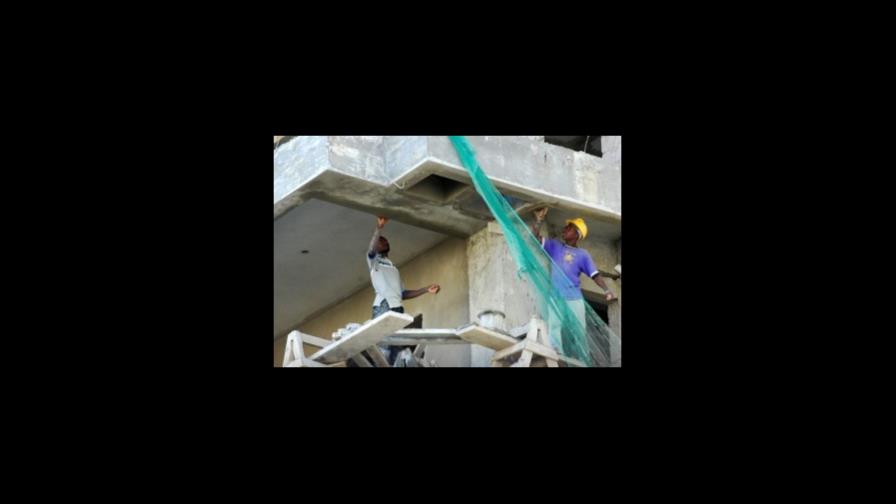
SANTO DOMINGO. The Industrial Association of the Dominican Republic (AIRD) asked the government to postpone the application of the regulations for the contracting of foreign labor which should go into effect this Friday.
In the meantime, today at 11 in the morning, there is a meeting set between the Director of Immigration, Jose Ricardo Taveras and the agro-business community at the headquarters of the Junta Agroempresarial Dominicana (JAD)-the Dominican Agro-Business Board.
Ligia Bonetti de Valiente, the president of the AIRD, indicated that obviously the application would upset the productive activities.
She said that she felt it was necessary to organization of immigrant labor but she suggested postponing the application of the regulations for a month and that, if possible, to go forward with a gradual application, "above all in the areas and regions where there is a greater incidence of foreign labor."
She said that the application affects the micro-, small and medium farm producers, as well as the developers of housing projects, which look at the regulations as an extraordinary cost per foreigner (passport, visa, medical certificate, letter of good conduct).
She pointed out, moreover, that some of these aspects-such as the good conduct letter-are hard to obtain for Haitian nationals, for example, given the internal situation that country is going through.
She said that the delay would allow for the Migration office to better prepare itself for the responding to the requirements that are going to arise in order to legalize the foreigners now in the country.
In the meantime, today at 11 in the morning, there is a meeting set between the Director of Immigration, Jose Ricardo Taveras and the agro-business community at the headquarters of the Junta Agroempresarial Dominicana (JAD)-the Dominican Agro-Business Board.
Ligia Bonetti de Valiente, the president of the AIRD, indicated that obviously the application would upset the productive activities.
She said that she felt it was necessary to organization of immigrant labor but she suggested postponing the application of the regulations for a month and that, if possible, to go forward with a gradual application, "above all in the areas and regions where there is a greater incidence of foreign labor."
She said that the application affects the micro-, small and medium farm producers, as well as the developers of housing projects, which look at the regulations as an extraordinary cost per foreigner (passport, visa, medical certificate, letter of good conduct).
She pointed out, moreover, that some of these aspects-such as the good conduct letter-are hard to obtain for Haitian nationals, for example, given the internal situation that country is going through.
She said that the delay would allow for the Migration office to better prepare itself for the responding to the requirements that are going to arise in order to legalize the foreigners now in the country.
 Diario Libre

 Continuar con Google