


Haitian minors; human trafficking victims and child labor in limbo
 Diario Libre







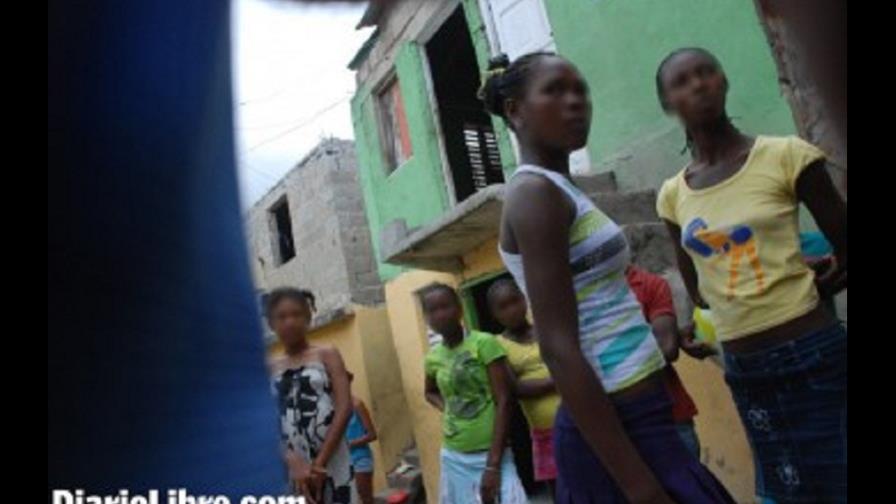
SANTO DOMINGO. "Since it was five in the morning, I was sleeping. With me, in the same room, there were two more boys, but they were older. They left me. They took them. They took everyone. The relatives I have here took them to Conani," narrates a Haitian twelve year old child that is a shoeshine boy and says that he has lived in one of the rooms located in the alleys that are perpendicular to Juan Isidro Jimenez Street, in the Kennedy barrio of Los Alcarrizos, where the Attorney General of the Republic carried out a raid last week against groups that deal in human trafficking, mostly minors.
The raids also took place in other barrios of Greater Santo Domingo.
The young boy we will call "Juan" says that he was in one of the rooms which was penetrated by agents from the Attorney General. Juan has remained in limbo. According to him, one of his cousins, who brought him from Haiti, was among those detained, and now he is waiting for his older sister "that works in the capital" in order to find a place to stay.
Juan has a younger brother, 10 years old, who had already left to clean windows when the raid happened. Both are terrified. Juan's younger brother speaks a little Spanish. He says that he wants them to take him to Conani," says Juan of his brother, "they took everyone there."
Juan is just one of a group of around 12 minors that are going around trying anything after the action by the Attorney General, they say that they are waiting for it to be 4:00 in the afternoon to go out to work or beg.
Was it your cousin that sent you into the street? "NO, I go out because I have to find what to eat and buy clothes. My sister pays for the room." Who brought you here? "My cousin brought me," answered Juan.
"They did bad things"
Rubenson Pie, 20, who works in construction, has a different opinion of Juan's story.
"They (the people that live in the rooms) did wrong. I do not want to speak badly of this. But because of what they were doing, they criticize all Haitians that are in the country," says Rubenson. "These people send everyone into the streets. These people do a lot of nasty things in the street. I don't like this stuff."
For the Dominican neighbors of the detained Haitians, to all appearances this seems to respond to an investigation carried out two years ago by the Directorate General of Migration.
"They did the same thing. They came at dawn, they took a few people and they left. And afterwards they returned. It's always the same," said Orsiris Montero. "In this alley they bring all the kids from Haiti in order to put them to work. They live on these six streets up there. That's the truth."
Juliana Torres, a resident in Kennedy, said that the Haitians that were arrested had kept the sector in turmoil. "They were noisy. It seemed that they were fighting into the dawn and they yelled things," said the lady. "One does not know what they were saying but it went on all night long."
The drama of the girls
A 14 year old little girl, "Yocasta", is there and she insists that her father is a construction worker who only sleeps in the houses. "Please let my father go, all he does is work, I don't have any place to go. I don't have anything to eat. They took everything. These are my only clothes and I have to wash them every day."
Yocasta says that her father, Yeison Pie, did not send her to work on the streets. "I used to go to the house of a friend of my father's, a Dominican. I went to help the woman of the Dominican in the house, while my daddy was in the construction," she relates. The story of Yocasta is repeated in three more children, of the same ages that accompany her.
"Here they are telling me to become a whore. It seems like that is what they want," says the young girl.
Precedents
In October 2011, the Directorate General of Migration captured what it called a network that dealt in illegal human trafficking of minors and Haitian women.
After those operations, the presence of children in the streets fell off. But after a few months they returned without any great consequences against these groups. Previous to the persecution by Migration officials, Diario Libre published how the young boys left the sector (Kennedy barrio) systematically to go to work in the streets and at the end of the day they returned to the houses of the persons that had brought them to the country.
One of the principle problems in the persecution of those that send out women to beg is that for the most part these are the closest relatives or tutors that the children have to cling to in the country.
In the case of Juan and his brother, his unidentified cousin is responsible for him. In the case of Yocasta, it is her father and her mother is in Haiti. Among the other children and adolescents which are about seven individuals, they did not want to talk, but they said that they live with uncles or cousins.
The neighbors close in and complain about other things. "All those that live in these houses beg, clean (car) windows, shine shoes, or sell on the streets, all of them," shouts a neighborhood woman who did not give her name.
The raids also took place in other barrios of Greater Santo Domingo.
The young boy we will call "Juan" says that he was in one of the rooms which was penetrated by agents from the Attorney General. Juan has remained in limbo. According to him, one of his cousins, who brought him from Haiti, was among those detained, and now he is waiting for his older sister "that works in the capital" in order to find a place to stay.
Juan has a younger brother, 10 years old, who had already left to clean windows when the raid happened. Both are terrified. Juan's younger brother speaks a little Spanish. He says that he wants them to take him to Conani," says Juan of his brother, "they took everyone there."
Juan is just one of a group of around 12 minors that are going around trying anything after the action by the Attorney General, they say that they are waiting for it to be 4:00 in the afternoon to go out to work or beg.
Was it your cousin that sent you into the street? "NO, I go out because I have to find what to eat and buy clothes. My sister pays for the room." Who brought you here? "My cousin brought me," answered Juan.
"They did bad things"
Rubenson Pie, 20, who works in construction, has a different opinion of Juan's story.
"They (the people that live in the rooms) did wrong. I do not want to speak badly of this. But because of what they were doing, they criticize all Haitians that are in the country," says Rubenson. "These people send everyone into the streets. These people do a lot of nasty things in the street. I don't like this stuff."
For the Dominican neighbors of the detained Haitians, to all appearances this seems to respond to an investigation carried out two years ago by the Directorate General of Migration.
"They did the same thing. They came at dawn, they took a few people and they left. And afterwards they returned. It's always the same," said Orsiris Montero. "In this alley they bring all the kids from Haiti in order to put them to work. They live on these six streets up there. That's the truth."
Juliana Torres, a resident in Kennedy, said that the Haitians that were arrested had kept the sector in turmoil. "They were noisy. It seemed that they were fighting into the dawn and they yelled things," said the lady. "One does not know what they were saying but it went on all night long."
The drama of the girls
A 14 year old little girl, "Yocasta", is there and she insists that her father is a construction worker who only sleeps in the houses. "Please let my father go, all he does is work, I don't have any place to go. I don't have anything to eat. They took everything. These are my only clothes and I have to wash them every day."
Yocasta says that her father, Yeison Pie, did not send her to work on the streets. "I used to go to the house of a friend of my father's, a Dominican. I went to help the woman of the Dominican in the house, while my daddy was in the construction," she relates. The story of Yocasta is repeated in three more children, of the same ages that accompany her.
"Here they are telling me to become a whore. It seems like that is what they want," says the young girl.
Precedents
In October 2011, the Directorate General of Migration captured what it called a network that dealt in illegal human trafficking of minors and Haitian women.
After those operations, the presence of children in the streets fell off. But after a few months they returned without any great consequences against these groups. Previous to the persecution by Migration officials, Diario Libre published how the young boys left the sector (Kennedy barrio) systematically to go to work in the streets and at the end of the day they returned to the houses of the persons that had brought them to the country.
One of the principle problems in the persecution of those that send out women to beg is that for the most part these are the closest relatives or tutors that the children have to cling to in the country.
In the case of Juan and his brother, his unidentified cousin is responsible for him. In the case of Yocasta, it is her father and her mother is in Haiti. Among the other children and adolescents which are about seven individuals, they did not want to talk, but they said that they live with uncles or cousins.
The neighbors close in and complain about other things. "All those that live in these houses beg, clean (car) windows, shine shoes, or sell on the streets, all of them," shouts a neighborhood woman who did not give her name.
 Diario Libre

 Continuar con Google