


Barrio Seguro program also has a social side
Since 2005, it has benefited 5000 families
 Diario Libre







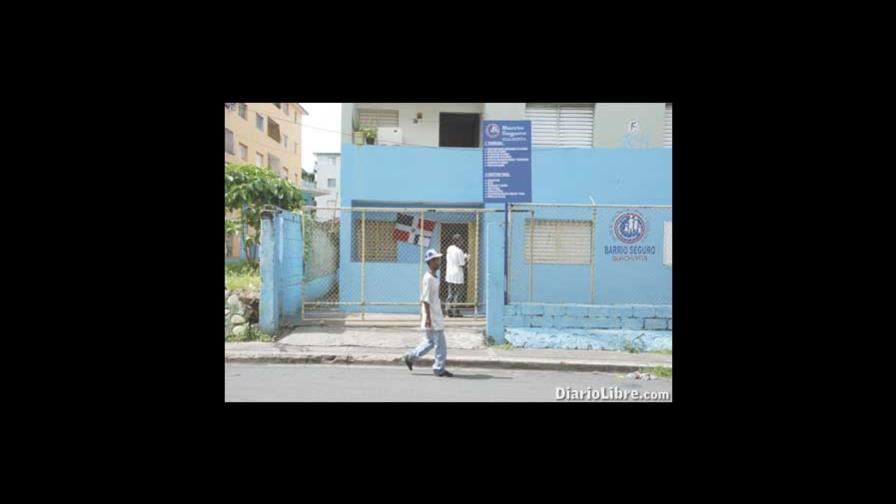
SANTO DOMINGO. Possibly, when the words "Barrio Seguro" are read, the image of the Police pursuing criminals or preventing crimes in the low class sectors of Santo Domingo and Santiago come to mind.
However, even though there are those that say that this program has failed, the Ministry of the Interior and of the Police intend to use it also as a way to provide a change of life and bring progress to the residents of the 103 barrios where the program intervenes.
And it is that, beside the fact that they seek to control crime, micro-drug trafficking and other types of crimes, they also seek to help hundreds of poor families in the barrios of Santo Domingo and Santiago so that through training, initiating and bettering small, micro-businesses, they improve their homes, pay for studies and even become sports and music figures.
Barrio Seguro, one of the components of the Democratic Security Plan (PSD), began in 2005 through the Ministry of the Interior and of the Police, by way of Decree 268-05, now has 11 sub -components.
Some of the barrios that are subject to the program in Santo Domingo are Gualey, Capotillo, La Zurza, Los Guandules, 24 de Abril, Los Mina Norte, La Victoria, Villa Maria and San Luis. In Santiago the barrios that are part of the plan include Peking, Cienfuegos, La Joya, Ensanche Espaillat, Yapur Dumit, and Ensanche Bermudez among others.
Although the vice minister of the Interior and of the Police, Yadira Peña, who is the operational coordinator of the PSD, is aware of the fact that not all of the components are working as they were programmed, she highlights the fact that some 5,000 families have already been assisted by the program.
At the present time, Barrio Seguro is undergoing an evaluation with the idea of improving, says Peña. The traditional sub-programs are: Financing micro-businesses in my barrio; A roof for my barrio; Scholarships for my barrio; Technological training and community centers; Competitors from my barrio and Feast day of my barrio.
At the same time, since January some new elements have been hatched and carried out, such as: Bands from my barrios, which began with classes on the recorder with the idea of creating an orchestra; The muralists and painter of my barrio; Unschooled boys, girls and adolescents in my barrio; Premature adolescent mothers and The Right to an identity.
"Up until now, we have more than 60% of the needs of the barrios covered", the operational coordinator of the Democratic Safety Plan said.
Studies and jobs?
One of the sub-programs that has not had any success is called "Job incubation" whereby the plan sought to provide jobs for the labor force in the barrios. This has only come up with a data base that the Ministry of the Interior and of the Police provided to the Ministry of Labor.
According to the PSD coordinator, the lack of jobs and "the fact that they have not given the program enough attention" have been factors in the poor results.
While the job program lingers, another sub program called "Scholarships for my barrio" tries to do something for the poor students that are unemployed. It has already benefitted 4,000 university students that are following different career paths in several schools such as the Autonomous University of Santo Domingo (UASD) and the Technological University of Santiago (UTESA).
The beneficiaries of this plan receive RD$2000 for transportation and RD$1000 for food coupons with the requirement that they serve as mentors in the Community and Technological Centers of Barrio Seguro.
The scholarship student Natalia Marmolejos, a resident in Guachupita and who is in the third semester of Medicine at the UASD, pointed out that the participants in the program receive RD$3000 from the Ministry of Higher Education, Science and Technology.
An assessment
Last 16 June, the Minister of the Interior and Police, Franklin Almeyda Rancier, announced in Santiago that the government had begun an assessment of the performance of the National Police and the Barrio Seguro program that was being carried out in 13 barrios of Santiago, where over the past few weeks there have been numerous crimes reported.
"We are going to review the training programs of the police agents, the transportation of the police and the preventive work in the barrios", said the official.
A substitute for other Ministries?
In spite of the social development that the authorities from Interior and Police pursue with the sub-programs of Barrio Seguro, there are those that understand that these policies are not in the purview of this Ministry, but rather they belong to other government institutions and that the social services provided are insignificant.
Daniel Pou, a specialist in issues of security at the Latin American Faculty of Social Sciences (FLACSO), comments that with the social work that is carried out by the Barrio Seguro program just removes the beneficiaries from the criminal element circumstantially, without a job policy or a deeper social initiative.
"The Dominican state, that has never made public policy, believes that it can make an integrated policy of just one Ministry", said the specialist.
"Fairly speaking, the role of the Ministry of Interior and Police is not to create and implement social programs, but rather it is precisely to continually study the crime variables and develop the fundamental policies in order to prevent and eradicate crime", in Pou's understanding.
In the meantime, the sociologist Celedonio Jimenez said that he feels that the sub-programs of Barrio Seguro are "extenuating measures, but when you are dealing with State measures aimed at solving these basic problems, then you cannot be limited to such policies".
The leader of the Committee for the Defense of Barrio Rights (Copadeba), Particia Gomez, said that she understands that the programs that Barrio Seguro carries out are still not contributing to the fight against criminals in these sectors. "The work is still not perceived as doing much. There are people that have benefited from the classes...but I have not seem much more than the patrols", she said.
The coordinator for the Democratic Security Plan said that the assessment stage in which the program is immersed will serve to better it in all of its facets. Nonetheless, for the sociologist Pou the State is working as the sum of its parts and each Ministry wants to develop a program in all aspects whether or not it works. "Because of this the Barrio Seguro program has been languishing", he concluded.
However, even though there are those that say that this program has failed, the Ministry of the Interior and of the Police intend to use it also as a way to provide a change of life and bring progress to the residents of the 103 barrios where the program intervenes.
And it is that, beside the fact that they seek to control crime, micro-drug trafficking and other types of crimes, they also seek to help hundreds of poor families in the barrios of Santo Domingo and Santiago so that through training, initiating and bettering small, micro-businesses, they improve their homes, pay for studies and even become sports and music figures.
Barrio Seguro, one of the components of the Democratic Security Plan (PSD), began in 2005 through the Ministry of the Interior and of the Police, by way of Decree 268-05, now has 11 sub -components.
Some of the barrios that are subject to the program in Santo Domingo are Gualey, Capotillo, La Zurza, Los Guandules, 24 de Abril, Los Mina Norte, La Victoria, Villa Maria and San Luis. In Santiago the barrios that are part of the plan include Peking, Cienfuegos, La Joya, Ensanche Espaillat, Yapur Dumit, and Ensanche Bermudez among others.
Although the vice minister of the Interior and of the Police, Yadira Peña, who is the operational coordinator of the PSD, is aware of the fact that not all of the components are working as they were programmed, she highlights the fact that some 5,000 families have already been assisted by the program.
At the present time, Barrio Seguro is undergoing an evaluation with the idea of improving, says Peña. The traditional sub-programs are: Financing micro-businesses in my barrio; A roof for my barrio; Scholarships for my barrio; Technological training and community centers; Competitors from my barrio and Feast day of my barrio.
At the same time, since January some new elements have been hatched and carried out, such as: Bands from my barrios, which began with classes on the recorder with the idea of creating an orchestra; The muralists and painter of my barrio; Unschooled boys, girls and adolescents in my barrio; Premature adolescent mothers and The Right to an identity.
"Up until now, we have more than 60% of the needs of the barrios covered", the operational coordinator of the Democratic Safety Plan said.
Studies and jobs?
One of the sub-programs that has not had any success is called "Job incubation" whereby the plan sought to provide jobs for the labor force in the barrios. This has only come up with a data base that the Ministry of the Interior and of the Police provided to the Ministry of Labor.
According to the PSD coordinator, the lack of jobs and "the fact that they have not given the program enough attention" have been factors in the poor results.
While the job program lingers, another sub program called "Scholarships for my barrio" tries to do something for the poor students that are unemployed. It has already benefitted 4,000 university students that are following different career paths in several schools such as the Autonomous University of Santo Domingo (UASD) and the Technological University of Santiago (UTESA).
The beneficiaries of this plan receive RD$2000 for transportation and RD$1000 for food coupons with the requirement that they serve as mentors in the Community and Technological Centers of Barrio Seguro.
The scholarship student Natalia Marmolejos, a resident in Guachupita and who is in the third semester of Medicine at the UASD, pointed out that the participants in the program receive RD$3000 from the Ministry of Higher Education, Science and Technology.
An assessment
Last 16 June, the Minister of the Interior and Police, Franklin Almeyda Rancier, announced in Santiago that the government had begun an assessment of the performance of the National Police and the Barrio Seguro program that was being carried out in 13 barrios of Santiago, where over the past few weeks there have been numerous crimes reported.
"We are going to review the training programs of the police agents, the transportation of the police and the preventive work in the barrios", said the official.
A substitute for other Ministries?
In spite of the social development that the authorities from Interior and Police pursue with the sub-programs of Barrio Seguro, there are those that understand that these policies are not in the purview of this Ministry, but rather they belong to other government institutions and that the social services provided are insignificant.
Daniel Pou, a specialist in issues of security at the Latin American Faculty of Social Sciences (FLACSO), comments that with the social work that is carried out by the Barrio Seguro program just removes the beneficiaries from the criminal element circumstantially, without a job policy or a deeper social initiative.
"The Dominican state, that has never made public policy, believes that it can make an integrated policy of just one Ministry", said the specialist.
"Fairly speaking, the role of the Ministry of Interior and Police is not to create and implement social programs, but rather it is precisely to continually study the crime variables and develop the fundamental policies in order to prevent and eradicate crime", in Pou's understanding.
In the meantime, the sociologist Celedonio Jimenez said that he feels that the sub-programs of Barrio Seguro are "extenuating measures, but when you are dealing with State measures aimed at solving these basic problems, then you cannot be limited to such policies".
The leader of the Committee for the Defense of Barrio Rights (Copadeba), Particia Gomez, said that she understands that the programs that Barrio Seguro carries out are still not contributing to the fight against criminals in these sectors. "The work is still not perceived as doing much. There are people that have benefited from the classes...but I have not seem much more than the patrols", she said.
The coordinator for the Democratic Security Plan said that the assessment stage in which the program is immersed will serve to better it in all of its facets. Nonetheless, for the sociologist Pou the State is working as the sum of its parts and each Ministry wants to develop a program in all aspects whether or not it works. "Because of this the Barrio Seguro program has been languishing", he concluded.
 Diario Libre

 Continuar con Google