


DR does not figure among 250 best universities
The schools are evaluated on seven criteria
 Diario Libre







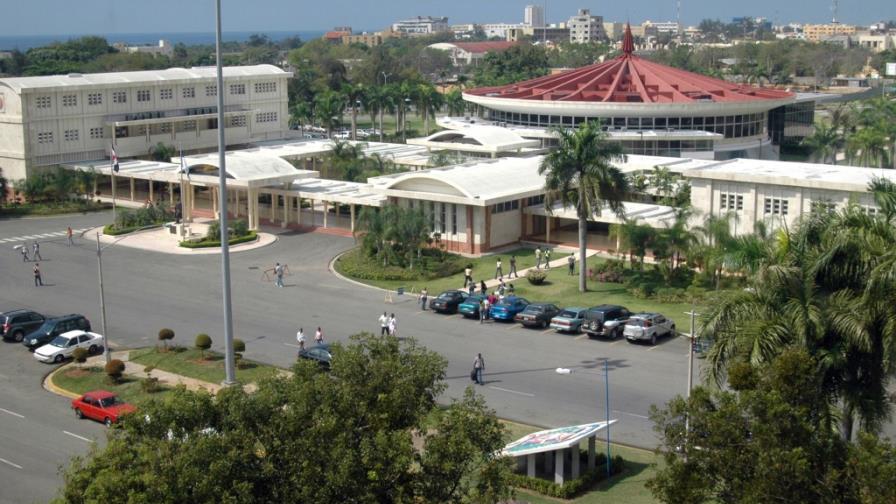
SD. In the rankings published yesterday by the London-based consultant firm of Quacquarelli Symonds (QS), which include the 250 best institutions of higher education, there are no Dominican universities listed and the list is dominated by Brazilian, Mexican and Colombian institutions.
According to the list, Brazil with 65 of the 250 positions of the QS rankings for Latin America dominates. The University of Sao Paulo is number one, and Mexico with 46 schools, Colombia with 34, Chile with 30 and Argentina with 26 round out the top five countries.
The ranking created by QS evaluated the "250 best institutions" of Latin America according to seven criteria: Academic reputation, business reputation, number of studies and publications, proportion of student to faculty, Internet presence, and number of doctorates.
Nevertheless, it is surprising that in spite of the existence of higher educational institutions in the Dominican Republic which brag about having great prestige due to their academic excellence and contributions in research fields, none were considered worth to be on the list of the best universities in the area.
In the second position on the list was the Pontifical Catholic University of Chile, followed by Brazil's State University of Campiñas. The University of Chile, the National Autonomous University of Mexico (UNAM), the University of Los Andes in Colombia, the Monterrey Technological Institute in Mexico, The Federal University in Rio de Janeiro, the University of Concepcion, Chile and that of Santiago de Chile fill out the top ten universities in Latin America.
Other countries with institutions on the list are Peru (10), Ecuador (6), Venezuela (6), Cuba (5), Uruguay (4), Paraguay (3), Panama (2), Guatemala (1), Nicaragua (1), and Puerto Rico (1).
This is the second year that the London company, which consults on the evaluation of educational institutions and training since 2004, has produced a exclusive list for Latin America.
The ranking reflects a drop in the Argentine schools with regard to 2011, with the University of Buenos Aires falling to eleventh position and outside of the top ten.
"The increase in the student-teacher ration and the decline in its reputation have caused it to be overcome by universities in Brazil, Mexico, Colombia and Chile," indicated QS.
In the opinion of researcher Danny Byrne, "the universities of Latin America are going through a period of change," due to "an increase in the demand for higher education, an improving economy and the internationalization of society."
Rectors discussed the rankings
Consulted on this issue, the rector of the Autonomous University of Santo Domingo (UASD), Mateo Aquino Febrillet, said that the issue of the rankings was discussed last month in a meeting of rectors of Latin American universities at the UNAM.
He said that in this meeting they debated with representatives of the company that did the study and they evaluated alternatives to improve the situation.
Aquino Febrillet said that for the rankings, many times they use parameters that are not in agreement with the situation of Dominican universities.
Other opinions of the rector
Febrillet explained that one of the factors that most influences in the ranking is the issue of research and the visibility of the institution on the Internet, and most Dominican institutions have little presence there. The Internet serves to echo everything that the university is doing. He suggested that much of the rankings are based on surveys and on studies of the websites of the universities and because of this the UASD is working to incorporate everything it does on its website.
According to the list, Brazil with 65 of the 250 positions of the QS rankings for Latin America dominates. The University of Sao Paulo is number one, and Mexico with 46 schools, Colombia with 34, Chile with 30 and Argentina with 26 round out the top five countries.
The ranking created by QS evaluated the "250 best institutions" of Latin America according to seven criteria: Academic reputation, business reputation, number of studies and publications, proportion of student to faculty, Internet presence, and number of doctorates.
Nevertheless, it is surprising that in spite of the existence of higher educational institutions in the Dominican Republic which brag about having great prestige due to their academic excellence and contributions in research fields, none were considered worth to be on the list of the best universities in the area.
In the second position on the list was the Pontifical Catholic University of Chile, followed by Brazil's State University of Campiñas. The University of Chile, the National Autonomous University of Mexico (UNAM), the University of Los Andes in Colombia, the Monterrey Technological Institute in Mexico, The Federal University in Rio de Janeiro, the University of Concepcion, Chile and that of Santiago de Chile fill out the top ten universities in Latin America.
Other countries with institutions on the list are Peru (10), Ecuador (6), Venezuela (6), Cuba (5), Uruguay (4), Paraguay (3), Panama (2), Guatemala (1), Nicaragua (1), and Puerto Rico (1).
This is the second year that the London company, which consults on the evaluation of educational institutions and training since 2004, has produced a exclusive list for Latin America.
The ranking reflects a drop in the Argentine schools with regard to 2011, with the University of Buenos Aires falling to eleventh position and outside of the top ten.
"The increase in the student-teacher ration and the decline in its reputation have caused it to be overcome by universities in Brazil, Mexico, Colombia and Chile," indicated QS.
In the opinion of researcher Danny Byrne, "the universities of Latin America are going through a period of change," due to "an increase in the demand for higher education, an improving economy and the internationalization of society."
Rectors discussed the rankings
Consulted on this issue, the rector of the Autonomous University of Santo Domingo (UASD), Mateo Aquino Febrillet, said that the issue of the rankings was discussed last month in a meeting of rectors of Latin American universities at the UNAM.
He said that in this meeting they debated with representatives of the company that did the study and they evaluated alternatives to improve the situation.
Aquino Febrillet said that for the rankings, many times they use parameters that are not in agreement with the situation of Dominican universities.
Other opinions of the rector
Febrillet explained that one of the factors that most influences in the ranking is the issue of research and the visibility of the institution on the Internet, and most Dominican institutions have little presence there. The Internet serves to echo everything that the university is doing. He suggested that much of the rankings are based on surveys and on studies of the websites of the universities and because of this the UASD is working to incorporate everything it does on its website.
 Diario Libre

 Continuar con Google