


LF in an exclusive circle with Balaguer, Lilis, Baez and Trujillo
The nation's leader has engaged in great roadway projects like the Metro
 Diario Libre







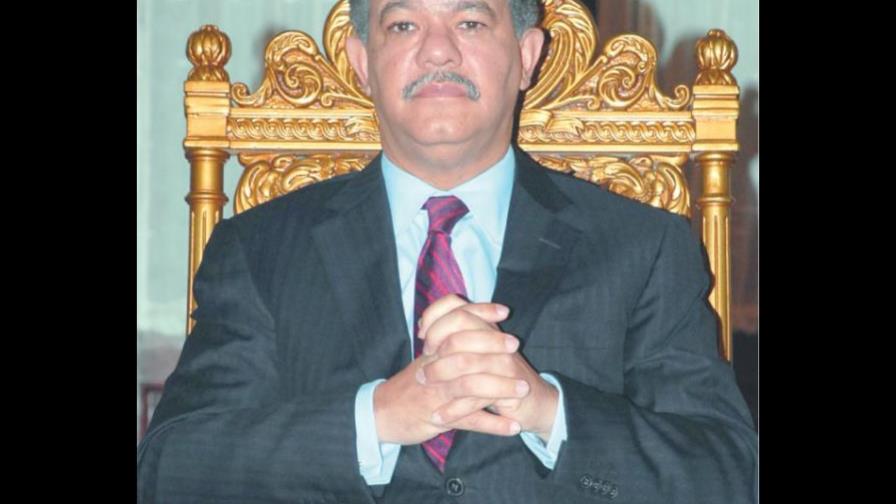
SANTO DOMINGO. President Leonel Fernandez will reach 10 years of constitutional mandate on 16 August, entering into the elite group of those who have governed the country for more than a decade. Among these leaders are figures so emblematic as Buenaventura Baez, Ulises Heureaux, Rafael Leonidas Trujillo and Joaquin Balaguer.
Like his predecessors, Fernandez has taken the reins of the nation in different periods, beginning in 1996, when he won the presidential elections, supported by Balaguer, and became the first president that came from the ranks of the Dominican Liberation Party (PLD).
During his first period in office (1996-2000), he centered his efforts on producing an economic and judicial reform, as well as embarking on a dynamic and aggressive foreign policy in search of the regional integration of the Dominican Republic and the opening of markets and globalization.
Besides that, he took on ambitious infrastructure projects that included the construction of overpasses, tunnels and boulevards. He also focused on equipping the nation's secondary high schools with computer labs, instituting prizes for good students, promoted the culture of reading through competitions called reading Olympics and established the International Book Fair.
In economic affairs, his technicians insured single digit inflation, a thesis that was criticized by the opposition and the civil society that maintained the theory that these achievements were not reflected in Dominican households. The same questioning in economic matters has been kept up all through his administrations, supported in the perception that the growth stays on the macro level and doesn't reach the majority of people. According to the report of the United Nations Development Program, in the Dominican Republic the economic growth does not have a corresponding reduction in joblessness.
His second period began in 2004 and ended in 2008, having as his principle achievements the construction of the Santo Domingo Metro that was inaugurated on 22 December 2008, having begun his third period in office. Praised by some and demonized by others, the Metro cost the country's treasury US$750 million.
Both in his first administration as in the two following periods, the corruption scandals have splattered his administration with notorious cases such as : PEME, Sun Land, the Technical Office of Frontier Development, the decoration, furnishing and finishing of the Supreme Court building, among others.
Fernandez followed Joaquin Balaguer into power in 1996. Judging from his public statements, he admired Balaguer to such a degree that he proclaimed him as "historical heritage of the Dominican Republic", contrary to the ideology of the founding leader of his party, Juan Bosch, his political enemy.
"For this I respect him, I admire him and I see him as part of the historical heritage of the Dominican Republic", he said on 1 September 2006, as he improvised a speedh at the end of the acts celebrating the 100 anniversary of the birth of the founder of the Social Christian Reformist Party, celebrated in the Caryatides Room of the Presidential Palace.
In defense of the former politician, for his historical ties with the tyrant Trujillo, he pointed out at that time: "we cannot condemn King Juan Carlos of Spain because he was formed in the era of Franco, just as we cannot condemn Balaguer because he was formed under the Trujillo regime".
Buenaventura Baez
Buenaventura Baez was President of the Republic five times in the years 1849-1853, 1856-1858, and after recovering independence (1865), in 1865-1866, 1868-1873 and 1876-1878.
He belonged to the Francophile faction and because of this he tried, without any success, to deliver the country to France. He also tried to do this with the United States, and Spain, since he never believed in the idea of a Dominican Republic that would be free and sovereign.
The historical reports indicate that at the beginning of 1869 he put the country into debt for some 80 years by obtaining a loan from a financier called Edward Hartmont. Baez died in Puerto Rico on 14 March 1884 at 72 years of age.
Ulises Francisco Heureaux
Ulises Heureaux (Lilis) is one of the most controversial personalities the Dominican Republic has had. He was an ambitious and authoritarian politician, who reached the presidency through the help of Gregorio Luperon, exercising power in two periods, 1882-1884 and 1887-1899.
He was characterized for holding phantom elections to legitimize his administrations and for reforming the Constitution of the Republic as many times as he deemed necessary. During his second period, he favored corruption and he left the country bankrupt.
His administrations are described in history as dictatorial, wherein he gave favors, concessions, and privileges to foreign capital. At the end of his government, the economy was under the control of the United States.
Rafael Leonidas Trujillo
Rafael Leonidas Trujillo Molina was the president of the Republic for four periods between 1930 and 1952. He gained control of the government when he supported the coup d'etat that overthrew the then President Horacio Vasquez.
From his beginnings, he was characterized as an oppressor, implementing policies of fear, murders and persecutions.
One of the most hateful events committed during his regime was the murder of the Mirabal sisters, Patria, Maria Teresa and Minerva, which took place on 25 November 1960. This crime lit the patriotic spirit of the Dominicans. During the first years of his reign, the "Benefactor of the Fatherland", as he liked to be called, enjoyed absolute political control in which not the slightest act of opposition could be found.
Joaquin Balaguer Ricardo
Joaquin Balaguer Ricardo, seven times president of the Republic, in the periods of 1960-1962, the ill-fated 12 years between 1966-1978 and 1986-1996. He was one of the collaborators of Trujillo during shoes government he played a large role, since he occupied positions of importance such as the Minister of Education, Chancellor, Vice-President and President of the Republic. Genealogical studies indicate that the second wife of Trujillo, Bienvenida Inocencia Ricardo Martinez was a first cousin of Balaguer Ricardo.
According to the historical records, the 12 year period of the leader of reformism was characterized by murders, thousands of arrests and restricted political and union freedoms. He is said to have been re-elected by force on four occasions through the use of fraudulent tactics.
Among his legacy of public works are the Columbus Lighthouse, highways, bridges, schools and hydroelectric dams.
Like his predecessors, Fernandez has taken the reins of the nation in different periods, beginning in 1996, when he won the presidential elections, supported by Balaguer, and became the first president that came from the ranks of the Dominican Liberation Party (PLD).
During his first period in office (1996-2000), he centered his efforts on producing an economic and judicial reform, as well as embarking on a dynamic and aggressive foreign policy in search of the regional integration of the Dominican Republic and the opening of markets and globalization.
Besides that, he took on ambitious infrastructure projects that included the construction of overpasses, tunnels and boulevards. He also focused on equipping the nation's secondary high schools with computer labs, instituting prizes for good students, promoted the culture of reading through competitions called reading Olympics and established the International Book Fair.
In economic affairs, his technicians insured single digit inflation, a thesis that was criticized by the opposition and the civil society that maintained the theory that these achievements were not reflected in Dominican households. The same questioning in economic matters has been kept up all through his administrations, supported in the perception that the growth stays on the macro level and doesn't reach the majority of people. According to the report of the United Nations Development Program, in the Dominican Republic the economic growth does not have a corresponding reduction in joblessness.
His second period began in 2004 and ended in 2008, having as his principle achievements the construction of the Santo Domingo Metro that was inaugurated on 22 December 2008, having begun his third period in office. Praised by some and demonized by others, the Metro cost the country's treasury US$750 million.
Both in his first administration as in the two following periods, the corruption scandals have splattered his administration with notorious cases such as : PEME, Sun Land, the Technical Office of Frontier Development, the decoration, furnishing and finishing of the Supreme Court building, among others.
Fernandez followed Joaquin Balaguer into power in 1996. Judging from his public statements, he admired Balaguer to such a degree that he proclaimed him as "historical heritage of the Dominican Republic", contrary to the ideology of the founding leader of his party, Juan Bosch, his political enemy.
"For this I respect him, I admire him and I see him as part of the historical heritage of the Dominican Republic", he said on 1 September 2006, as he improvised a speedh at the end of the acts celebrating the 100 anniversary of the birth of the founder of the Social Christian Reformist Party, celebrated in the Caryatides Room of the Presidential Palace.
In defense of the former politician, for his historical ties with the tyrant Trujillo, he pointed out at that time: "we cannot condemn King Juan Carlos of Spain because he was formed in the era of Franco, just as we cannot condemn Balaguer because he was formed under the Trujillo regime".
Buenaventura Baez
Buenaventura Baez was President of the Republic five times in the years 1849-1853, 1856-1858, and after recovering independence (1865), in 1865-1866, 1868-1873 and 1876-1878.
He belonged to the Francophile faction and because of this he tried, without any success, to deliver the country to France. He also tried to do this with the United States, and Spain, since he never believed in the idea of a Dominican Republic that would be free and sovereign.
The historical reports indicate that at the beginning of 1869 he put the country into debt for some 80 years by obtaining a loan from a financier called Edward Hartmont. Baez died in Puerto Rico on 14 March 1884 at 72 years of age.
Ulises Francisco Heureaux
Ulises Heureaux (Lilis) is one of the most controversial personalities the Dominican Republic has had. He was an ambitious and authoritarian politician, who reached the presidency through the help of Gregorio Luperon, exercising power in two periods, 1882-1884 and 1887-1899.
He was characterized for holding phantom elections to legitimize his administrations and for reforming the Constitution of the Republic as many times as he deemed necessary. During his second period, he favored corruption and he left the country bankrupt.
His administrations are described in history as dictatorial, wherein he gave favors, concessions, and privileges to foreign capital. At the end of his government, the economy was under the control of the United States.
Rafael Leonidas Trujillo
Rafael Leonidas Trujillo Molina was the president of the Republic for four periods between 1930 and 1952. He gained control of the government when he supported the coup d'etat that overthrew the then President Horacio Vasquez.
From his beginnings, he was characterized as an oppressor, implementing policies of fear, murders and persecutions.
One of the most hateful events committed during his regime was the murder of the Mirabal sisters, Patria, Maria Teresa and Minerva, which took place on 25 November 1960. This crime lit the patriotic spirit of the Dominicans. During the first years of his reign, the "Benefactor of the Fatherland", as he liked to be called, enjoyed absolute political control in which not the slightest act of opposition could be found.
Joaquin Balaguer Ricardo
Joaquin Balaguer Ricardo, seven times president of the Republic, in the periods of 1960-1962, the ill-fated 12 years between 1966-1978 and 1986-1996. He was one of the collaborators of Trujillo during shoes government he played a large role, since he occupied positions of importance such as the Minister of Education, Chancellor, Vice-President and President of the Republic. Genealogical studies indicate that the second wife of Trujillo, Bienvenida Inocencia Ricardo Martinez was a first cousin of Balaguer Ricardo.
According to the historical records, the 12 year period of the leader of reformism was characterized by murders, thousands of arrests and restricted political and union freedoms. He is said to have been re-elected by force on four occasions through the use of fraudulent tactics.
Among his legacy of public works are the Columbus Lighthouse, highways, bridges, schools and hydroelectric dams.
 Diario Libre

 Continuar con Google