


Many questions regarding sale of Refidomsa
 Diario Libre







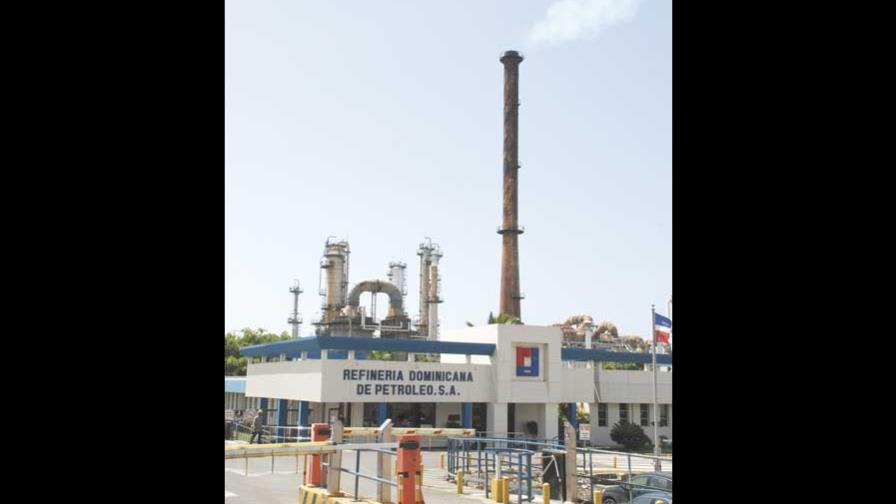
SANTO DOMINGO. Politicians, businessmen and representatives of the civil society spoke out yesterday regarding the operations that the government will carry out with the Venezuelan authorities for the sale of 49% of the shares in the Dominican Oil Refinery (Refidomsa).
The questions came from the Dominican Republic Industrial Association (AIRD), the National Council of Private Enterprise (CONEP), the Institutionalism and Justice Foundation (Finjus), as well as from PRD leaders Miguel Vargas Maldonado, Milagros Ortiz Bosch and Hugo Tolentino Dipp.
The president of the AIRD, Manuel Diez Cabral, reaffirmed the position that the sale of 49% of the shares to Petroleos de Venezuela (PDVSA) will place the country at the mercy of the geopolitical interests of a foreign state and one that does not respect either property rights or free enterprise and with evident intentions to provide benefits for the Dominican Republic in exchange for possible concessions that perhaps the country is not seeing at this time.
He pointed out that independently of everything that has been said publically about the operation to sell to PRVSA, the process has lacked transparency, since the real details of the condition of the sale are not known, nor is the amount of the investments or the mechanisms for the distribution of fuels.
"Apparently the sale of the shares of Refidomsa to PDVSA is a done deal, and we feel that the government is within it legal right to carry out this operation as long as it does so in strict accordance with the dispositions of the new Constitution of the Republic", underlined Diez Cabral.
Meanwhile, the PRD president, Miguel Vargas Maldonado, demanded that the authorities make public all of the details of the sales contract for the Refidomsa shares as a way to provide transparency to the negotiations. He also called for the fulfillment of the legal and constitutional requirements that exist for sales contracts of this kind, as for example the referral of the contract to the National Congress.
At the same time, Tolentino Dipp preferred that the sales process be done with Dominican industrialists, although he recognized that Venezuela would be a good partner. Ortiz Bosch said that the negotiations are not bad, but she understands that they could be better.
The executive vice-president of Finjus, Servio Tulio Castaños Guzman, said that he felt that the transaction should be submitted to a public auction. He said that the process did not fulfill the requirements of the Law for Contracting Goods and Services.
The National Council of Private Enterprise (CONEP) referred to its opinion as stated on 18 June 2009, when they warned that the sale of 49% of the shares of the Refinery to the government of Venezuela could be a mistake and expose the country to risks. The sale could be interpreted as a way to obtain a strategic ally in this crucial sector of the social and economic life of the Dominican nation, but that Venezuela maintains an adverse policy against free enterprise and initiative
The questions came from the Dominican Republic Industrial Association (AIRD), the National Council of Private Enterprise (CONEP), the Institutionalism and Justice Foundation (Finjus), as well as from PRD leaders Miguel Vargas Maldonado, Milagros Ortiz Bosch and Hugo Tolentino Dipp.
The president of the AIRD, Manuel Diez Cabral, reaffirmed the position that the sale of 49% of the shares to Petroleos de Venezuela (PDVSA) will place the country at the mercy of the geopolitical interests of a foreign state and one that does not respect either property rights or free enterprise and with evident intentions to provide benefits for the Dominican Republic in exchange for possible concessions that perhaps the country is not seeing at this time.
He pointed out that independently of everything that has been said publically about the operation to sell to PRVSA, the process has lacked transparency, since the real details of the condition of the sale are not known, nor is the amount of the investments or the mechanisms for the distribution of fuels.
"Apparently the sale of the shares of Refidomsa to PDVSA is a done deal, and we feel that the government is within it legal right to carry out this operation as long as it does so in strict accordance with the dispositions of the new Constitution of the Republic", underlined Diez Cabral.
Meanwhile, the PRD president, Miguel Vargas Maldonado, demanded that the authorities make public all of the details of the sales contract for the Refidomsa shares as a way to provide transparency to the negotiations. He also called for the fulfillment of the legal and constitutional requirements that exist for sales contracts of this kind, as for example the referral of the contract to the National Congress.
At the same time, Tolentino Dipp preferred that the sales process be done with Dominican industrialists, although he recognized that Venezuela would be a good partner. Ortiz Bosch said that the negotiations are not bad, but she understands that they could be better.
The executive vice-president of Finjus, Servio Tulio Castaños Guzman, said that he felt that the transaction should be submitted to a public auction. He said that the process did not fulfill the requirements of the Law for Contracting Goods and Services.
The National Council of Private Enterprise (CONEP) referred to its opinion as stated on 18 June 2009, when they warned that the sale of 49% of the shares of the Refinery to the government of Venezuela could be a mistake and expose the country to risks. The sale could be interpreted as a way to obtain a strategic ally in this crucial sector of the social and economic life of the Dominican nation, but that Venezuela maintains an adverse policy against free enterprise and initiative
 Diario Libre

 Continuar con Google