


Spain and DR want to guarantee pensions for their emigrants
Joint office finally opens, needed for the effective beginning of the Bilateral Agreement on Social Security
 Diario Libre







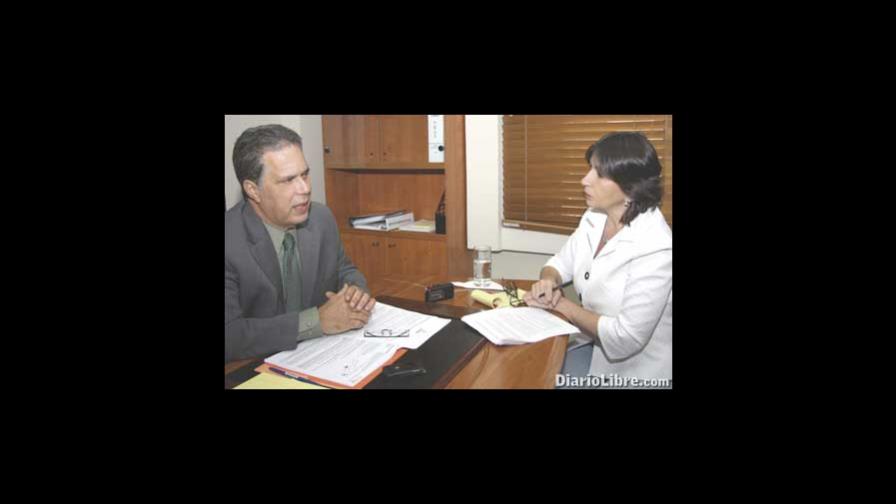
SANTO DOMINGO. In 2006, a bilateral agreement on Social Security was signed between the Dominican Republic and Spain. The objective was to coordinate the operation of the social security systems of both countries so that access to the system would be guaranteed to workers that went from one country to another. It applies to worker's pensions in each country as well as their families. But the lack of a liaison office that would take care of the files in the Dominican Republic held back the process. Today, it exists and heading the office is the Vice Minister of Labor, Julio Sanz.
Q. How many persons benefit from this bilateral agreement?
A. All the Dominicans that a one time or another have gone to work legally in Spain and therefore fall under the protection of the Spanish Social Security system, and here, those Spaniards that come here to work in the Dominican Republic. The potential number is hard to estimate, but there are going to be a lot. Just think of the Dominican population in Spain that numbers between 75,000 and 100,000.
Q. For the time being, then, it benefits more Dominicans than Spaniards.
A. I would say that at this time, yes. Now the history of migrations is quite variable. Some 50 or 60 years ago we were lucky enough to receive thousands of Spaniards that were fleeing the civil war, and that became founders of political parties, doctors, professors, others became important if fine arts, they bought a tremendous on the Dominican society. With the years gone by, Spain now receives our people.
Q. This liaison office was late in getting started. Both the Spanish Embassy as well as the Council of Spanish Residents (CRE) have voiced their worries several times.
A. It was certainly late in getting started, because the agreement dates from 2006, and we are barely getting started over the last two months. For some reason it fell into an institutional black hole.
Q. A lack of political will?
A. When there was a change in the personnel in the Social Security system, it could not be done. In reality, this begins to move with the visit by the Spanish ambassador to the Ministry of Labor, a meeting in which I took part, in September of last year. We got to work on the theoretical aspects of the issue and this took a lot of time. After that we realized that we simply had to put a person to take charge and coordinate all of the processes.
Q. How many cases are underway?
A. We have 92 files open right now.
Q. What are the most common situations?
A. For the most part these are cases where persons ask that the time they worked in the Dominican Republic be recognized. These certificates have to be obtained at the Dominican Social Security Institute and this has been part of the problem, since it is an institution that no longer is a part of the Social Security system.
Q. So, it is no longer necessary to go to the IDSS....?
A. there is a pension office, but I would say that it is better to do it through the Liaison Office in order to have the support of the Dominican administration.
Q. And if a worker, Dominican or Spaniard, needs this certification, and the business for which he worked did not pay the IDSS?
A. In that case, unfortunately, the only thing that can be done is to see if there is proof to legally charge the company, but we, as well as Social Security, cannot do anything.
Q. The problem is that the IDSS did not collect on all the workers.
A. That is true. The old social security law had a relative low limit. It really only covered persons that worked near the minimum wage or a little more.
Q. And if a worker paid into a pension fund at his place of work, but not the IDSS, will that work?
A. We would have to see this. It is a difficult question, I do not know the Spanish legislation, but logic tell me that yes, since the person did pay into some plan and you can see that this is not the current Social Security that the Spanish social security program is recognizing. But I think that yes, this would be an acquired right...We would have to study this possibility.
Q. What is, in your judgment, the greatest achievement of this accord?
A. I think that regarding pensions, to avoid that someone that has worked in different places is penalized for not accumulating sufficient years to collect a pension. Now the Ibero-American Social Security agreement is going to be reviewed, which is to say that we are going from a bilateral agreement between Spain and the Dominican Republic, to an agreement with nearly all of the countries in America with Spain and Portugal. In a globalized world, you have to think in a different manner.
FAQs
Q. Who does this agreement cover?
A. It covers Spanish and Dominican workers that are or have been subject to Social Security legislation in Spain or in the Dominican Republic as well as their families and survivors.
Q. Does this Bilateral Agreement imply that, paying here to a pension fund (AFP), I can retire in Spain with a pension from the Spanish Social Security?
A. It is not all like that. It is necessary to have paid into both systems successively. Not for the simple fact of being a Spaniard and of having paid in the Dominican Republic do you have a right to a Spanish pension. This agreement is oriented to protect the rights of persons that have divided their working years between Spain and the Dominican Republic and that many times do not have access to the retirement benefits or the survivors or disability insurance in one or the other of the two countries because they have not worked for a sufficient time or because they stopped working too long ago to fulfill the minimum requirements for access.
As a result when they grow old, and suffer some type of disability or die, they and their survivors are not eligible for the benefits.
Q. Are the years that I paid in the Dominican Republic added to my social Security account if I return to Spain?
A. Of course, the time paid in the Dominican Republic, for those Spaniards that live and work in the Dominican Republic, will be added to the time of their payments in Spain in order to have the right to the benefits that the Social Security provides to its nationals and community members even though they end up living in Spain and even in a third country.
Q. How do you determine or configure the right of a Spanish citizen with regards to Dominican Social Security when he has worked part of his live in the Dominican Republic and the other part in Spain?
A. The Spaniard that works in the Dominican Republic will come to the Liaison Office of Social Security and request the corresponding benefits in that situation, the competent institution in each country will proceed to determine the right that corresponds to the worker and calculate the benefits, only taking into account the payments that were credited in Spain and in the Dominican Republic. The Spanish Social Security will add up the periods that were paid in the Dominican Republic and calculate two pensions:
1. The theoretical pension: This consists of defining in hypothetical or supposed terms, the amount to which the person would have a right if he/she had worked in Spain all the time needed.
2. The proportionate pension: This is the result of calculating the time really paid in Spain by the person soliciting, against the total result of adding all the times paid in the Dominican Republic and in Spain. Once both data is obtained, that is to say, the benefits calculated taking into account only the time paid into the system in Spain and the benefits that result from adding the payments in both countries (proportionate pension), the Spanish Social Security, in this case, will recognize and pay the benefits that are most favorable to the person, independent from what would have resulted regarding the benefits of Dominican Social Security.
Q. How many persons benefit from this bilateral agreement?
A. All the Dominicans that a one time or another have gone to work legally in Spain and therefore fall under the protection of the Spanish Social Security system, and here, those Spaniards that come here to work in the Dominican Republic. The potential number is hard to estimate, but there are going to be a lot. Just think of the Dominican population in Spain that numbers between 75,000 and 100,000.
Q. For the time being, then, it benefits more Dominicans than Spaniards.
A. I would say that at this time, yes. Now the history of migrations is quite variable. Some 50 or 60 years ago we were lucky enough to receive thousands of Spaniards that were fleeing the civil war, and that became founders of political parties, doctors, professors, others became important if fine arts, they bought a tremendous on the Dominican society. With the years gone by, Spain now receives our people.
Q. This liaison office was late in getting started. Both the Spanish Embassy as well as the Council of Spanish Residents (CRE) have voiced their worries several times.
A. It was certainly late in getting started, because the agreement dates from 2006, and we are barely getting started over the last two months. For some reason it fell into an institutional black hole.
Q. A lack of political will?
A. When there was a change in the personnel in the Social Security system, it could not be done. In reality, this begins to move with the visit by the Spanish ambassador to the Ministry of Labor, a meeting in which I took part, in September of last year. We got to work on the theoretical aspects of the issue and this took a lot of time. After that we realized that we simply had to put a person to take charge and coordinate all of the processes.
Q. How many cases are underway?
A. We have 92 files open right now.
Q. What are the most common situations?
A. For the most part these are cases where persons ask that the time they worked in the Dominican Republic be recognized. These certificates have to be obtained at the Dominican Social Security Institute and this has been part of the problem, since it is an institution that no longer is a part of the Social Security system.
Q. So, it is no longer necessary to go to the IDSS....?
A. there is a pension office, but I would say that it is better to do it through the Liaison Office in order to have the support of the Dominican administration.
Q. And if a worker, Dominican or Spaniard, needs this certification, and the business for which he worked did not pay the IDSS?
A. In that case, unfortunately, the only thing that can be done is to see if there is proof to legally charge the company, but we, as well as Social Security, cannot do anything.
Q. The problem is that the IDSS did not collect on all the workers.
A. That is true. The old social security law had a relative low limit. It really only covered persons that worked near the minimum wage or a little more.
Q. And if a worker paid into a pension fund at his place of work, but not the IDSS, will that work?
A. We would have to see this. It is a difficult question, I do not know the Spanish legislation, but logic tell me that yes, since the person did pay into some plan and you can see that this is not the current Social Security that the Spanish social security program is recognizing. But I think that yes, this would be an acquired right...We would have to study this possibility.
Q. What is, in your judgment, the greatest achievement of this accord?
A. I think that regarding pensions, to avoid that someone that has worked in different places is penalized for not accumulating sufficient years to collect a pension. Now the Ibero-American Social Security agreement is going to be reviewed, which is to say that we are going from a bilateral agreement between Spain and the Dominican Republic, to an agreement with nearly all of the countries in America with Spain and Portugal. In a globalized world, you have to think in a different manner.
FAQs
Q. Who does this agreement cover?
A. It covers Spanish and Dominican workers that are or have been subject to Social Security legislation in Spain or in the Dominican Republic as well as their families and survivors.
Q. Does this Bilateral Agreement imply that, paying here to a pension fund (AFP), I can retire in Spain with a pension from the Spanish Social Security?
A. It is not all like that. It is necessary to have paid into both systems successively. Not for the simple fact of being a Spaniard and of having paid in the Dominican Republic do you have a right to a Spanish pension. This agreement is oriented to protect the rights of persons that have divided their working years between Spain and the Dominican Republic and that many times do not have access to the retirement benefits or the survivors or disability insurance in one or the other of the two countries because they have not worked for a sufficient time or because they stopped working too long ago to fulfill the minimum requirements for access.
As a result when they grow old, and suffer some type of disability or die, they and their survivors are not eligible for the benefits.
Q. Are the years that I paid in the Dominican Republic added to my social Security account if I return to Spain?
A. Of course, the time paid in the Dominican Republic, for those Spaniards that live and work in the Dominican Republic, will be added to the time of their payments in Spain in order to have the right to the benefits that the Social Security provides to its nationals and community members even though they end up living in Spain and even in a third country.
Q. How do you determine or configure the right of a Spanish citizen with regards to Dominican Social Security when he has worked part of his live in the Dominican Republic and the other part in Spain?
A. The Spaniard that works in the Dominican Republic will come to the Liaison Office of Social Security and request the corresponding benefits in that situation, the competent institution in each country will proceed to determine the right that corresponds to the worker and calculate the benefits, only taking into account the payments that were credited in Spain and in the Dominican Republic. The Spanish Social Security will add up the periods that were paid in the Dominican Republic and calculate two pensions:
1. The theoretical pension: This consists of defining in hypothetical or supposed terms, the amount to which the person would have a right if he/she had worked in Spain all the time needed.
2. The proportionate pension: This is the result of calculating the time really paid in Spain by the person soliciting, against the total result of adding all the times paid in the Dominican Republic and in Spain. Once both data is obtained, that is to say, the benefits calculated taking into account only the time paid into the system in Spain and the benefits that result from adding the payments in both countries (proportionate pension), the Spanish Social Security, in this case, will recognize and pay the benefits that are most favorable to the person, independent from what would have resulted regarding the benefits of Dominican Social Security.
 Diario Libre

 Continuar con Google