


Study puts DR among nations with most blind people
 Diario Libre







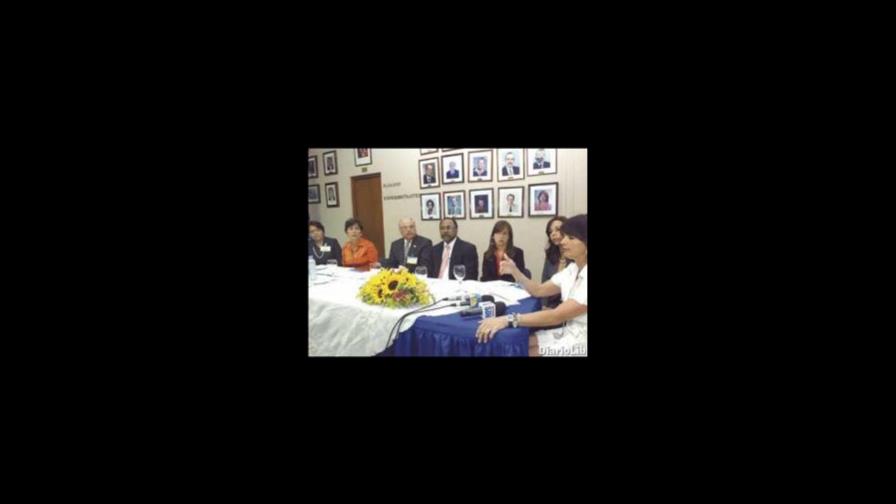
The study was presented by the director of the Pan American Health Organization (OPS), Cristina Noguera and Juan Batlle, from the National Commission for the Prevention of Blindness.
In his presentation, Dr. Batlle criticized the fact that in the country only 900 persons for each million of inhabitants are operated on each year for blindness, when the World Health Organization (WHO) standards is set at 3,000 per million per year.
Batlle explained that the number demonstrates that there is a notable deficit in the country and this is attributable to a lack of economic resources, ignorance of what cataracts are and that they c an be cured, as well as a lack of political willingness to correct this situation.
According to Dr. Batlle, this condition has persisted for 14 years when a similar study showed that 33,000 Dominican were blind and half of them were from cataracts.
The ophthalmological specialist reported that the second cause of blindness in this country is related with errors in refraction, glaucoma and degeneration associated with aging.
Moreover, diabetes retinopathies, trachoma, infantile ocular affections and cancers all occur in 0.7% to 3% of the cases.
According to the study, 65.2% of all blindness can be avoided.
With the evidence of the survey, the OPS director and the commission proposed the formulation of a plan for the prevention of the illness.
Nogueira said that these measures should be part of the health policies and should incorporate the human and technological resources in one direction with the objective of reducing the affliction.
He considered that the results of the study reveal that a plan to reduce visual disabilities is needed now.
The numbers at the world level show that 314 million persons live with visual problems and of these, 90% live in poor countries.
In the middle of the presentation of the results of the survey, the president of the Dominican Society of Ophthalmology, Cynthis Cunillera, recommended that as part of their training, young ophthalmologists should visit the poorest sectors of the cities and the countryside on work missions with the idea of determining the number of blind people and the possibility that the state might cover the cost of the operation. Diario Libre

 Continuar con Google