


Subero confirms that they failed their duty with Sun Land case
A former judge believes they are trying to clean up "the mud that has dirtied us forever"
 Diario Libre







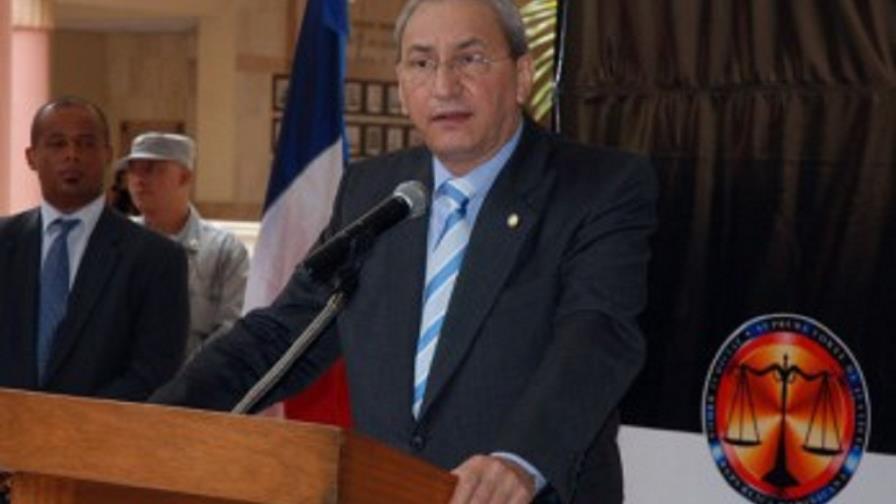
SANTO DOMINGO. The statements by the former Chief Justice of the Supreme Court of Justice (SCJ), Jorge Subero Isa, in the sense that the decision by this court in the Sun Land case, had been political, are another proof that in the case there was a failure to perform their duty, according to the president of the Dominican Alliance against Corruption (Adoco). This agency, the same as the Justice and Transparency Foundation (FJT), feels that the statements by the magistrate are also irresponsible and shameful.
"With a confession by one party, there is no need for proof," recalled yesterday Julio Cesar de la Rosa, the Adoco president. He does not discard the possibility of judicial action against the former members of the Supreme Court who declared the appeal of unconstitutionality that he presented to be inadmissible. The appeal was against the contract that the state signed in 2006 with the Sun Land enterprise for US$130 million.
De la Rosa feels that with his statements, Subero Isa confirms that the judges acted in response to the interests of the person who had appointed them to their posts, and not in their function to observe the law, so that this action constitutes a failure to perform their duty. "This establishes that there was a failure and that they can be subjected to judicial action. Let it be clear that they failed in their duty," said De la Rosa, when he reported that they are studying the decision and coordinating with the actors that at that time took the case to the Supreme Court, in order to decide what steps to take.
According to statement published last week in the national media, Subero Isa is supposed to have described the Sun Land case as "a case that was eminently political that was given a political solution," and that the plenary of the Supreme Court had found itself in a tight situation, because they received pressure from all of the sector of society for their decision. "The Sun Land case I have always said was a black shroud on the robes of the judges of the Supreme Court of Justice during that time, I still believe that it was not a good sentence. It was a political decision," said Subero Isa.
But De la Rosa believes that: "This is an irresponsible attitude, since they (the judges) should not act under pressures."
For his part Trajano Vidal Potentini, the FJT president, said he feels that in judicial terms there is nothing to be done in this case because it has the authority of an irrevocable decision, but one which should have the condemnation of all of society.
"At this time, these statements are irresponsible. What the country expected of these judges was a conscientious and impartial decision but this (saying that it was political) leaves a lot to be desired and I believe that they should be ashamed." He said that he also felt that this makes you think about the level of interference both in the Supreme Court as well as in any of the High Courts.
In the meantime, Servio Tulio Castaños Guzman, from the Institutionalism and Justice Foundation (Finjus), said that he feels that what Subero Isa is saying now is nothing new and that it confirms what the foundation said at that time, which was that the case would sink the Judicial Power. He considers the decision of the magistrates in this case not only damages the Justice System but also society, so that he hopes it serves as a lesson for the current actors in order that they do not let themselves be influenced.
A dissident
When the Plenary of the Supreme Court handed down its decision on the Sun Land Case in 2008, it did so with the dissenting vote of three of its members: Eglys Esmurdoc, Julio Anibal Suarez and Ana Rosa Berges. Consulted regarding this case, jurist Julio Anibal Suarez recalled that from the start he thought that this was a sentence that went against the law, aberrant and that constituted a step back for Justice.
"If the fellow justices had listened to our warnings regarding the unfairness of this decision, a great service to the Nation and the system of Justice would have been made, and we would not still be trying to clean up the mud that has dirtied us forever."
"With a confession by one party, there is no need for proof," recalled yesterday Julio Cesar de la Rosa, the Adoco president. He does not discard the possibility of judicial action against the former members of the Supreme Court who declared the appeal of unconstitutionality that he presented to be inadmissible. The appeal was against the contract that the state signed in 2006 with the Sun Land enterprise for US$130 million.
De la Rosa feels that with his statements, Subero Isa confirms that the judges acted in response to the interests of the person who had appointed them to their posts, and not in their function to observe the law, so that this action constitutes a failure to perform their duty. "This establishes that there was a failure and that they can be subjected to judicial action. Let it be clear that they failed in their duty," said De la Rosa, when he reported that they are studying the decision and coordinating with the actors that at that time took the case to the Supreme Court, in order to decide what steps to take.
According to statement published last week in the national media, Subero Isa is supposed to have described the Sun Land case as "a case that was eminently political that was given a political solution," and that the plenary of the Supreme Court had found itself in a tight situation, because they received pressure from all of the sector of society for their decision. "The Sun Land case I have always said was a black shroud on the robes of the judges of the Supreme Court of Justice during that time, I still believe that it was not a good sentence. It was a political decision," said Subero Isa.
But De la Rosa believes that: "This is an irresponsible attitude, since they (the judges) should not act under pressures."
For his part Trajano Vidal Potentini, the FJT president, said he feels that in judicial terms there is nothing to be done in this case because it has the authority of an irrevocable decision, but one which should have the condemnation of all of society.
"At this time, these statements are irresponsible. What the country expected of these judges was a conscientious and impartial decision but this (saying that it was political) leaves a lot to be desired and I believe that they should be ashamed." He said that he also felt that this makes you think about the level of interference both in the Supreme Court as well as in any of the High Courts.
In the meantime, Servio Tulio Castaños Guzman, from the Institutionalism and Justice Foundation (Finjus), said that he feels that what Subero Isa is saying now is nothing new and that it confirms what the foundation said at that time, which was that the case would sink the Judicial Power. He considers the decision of the magistrates in this case not only damages the Justice System but also society, so that he hopes it serves as a lesson for the current actors in order that they do not let themselves be influenced.
A dissident
When the Plenary of the Supreme Court handed down its decision on the Sun Land Case in 2008, it did so with the dissenting vote of three of its members: Eglys Esmurdoc, Julio Anibal Suarez and Ana Rosa Berges. Consulted regarding this case, jurist Julio Anibal Suarez recalled that from the start he thought that this was a sentence that went against the law, aberrant and that constituted a step back for Justice.
"If the fellow justices had listened to our warnings regarding the unfairness of this decision, a great service to the Nation and the system of Justice would have been made, and we would not still be trying to clean up the mud that has dirtied us forever."
 Diario Libre

 Continuar con Google