


"When their army was overcome, they appealed to the U.S."
They stress respect for the Constitution as a legacy to the country
 Abel Guzmán Then







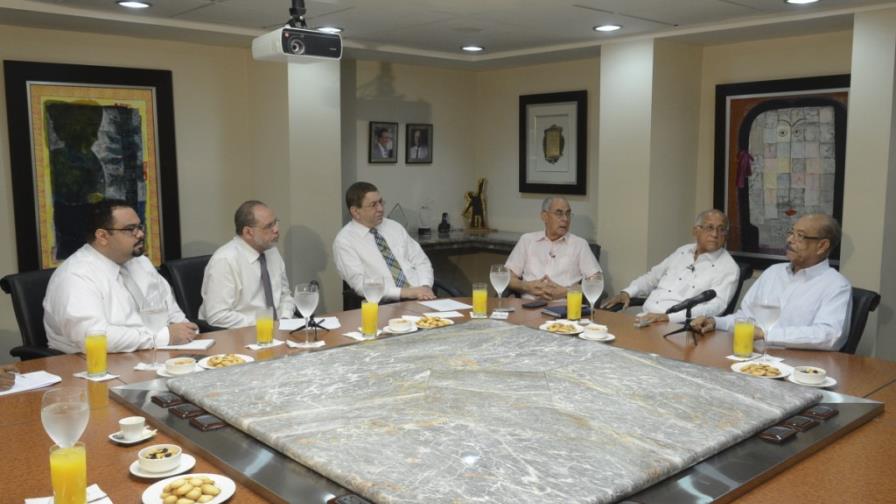
SANTO DOMINGO. The commemoration of the 50 years since the Heroic Deeds of April 1965 should serve to bring respect to the Constitution, to democracy and to the freedom of Dominicans, which every time they have been tested they have received the sacrifice and the bravery of citizens who have given all for the cause of the Patria (Fatherland).
This is the message that three participants in that Revolution - Orlando Sanchez Diaz, Rafael-Cocuyo-Baez, and Rafael Gamudi Cordero (Rafa) - want to leave imprinted on the present and future generations. These men were combatants in the North Zone of the capital in the Civil War unleashed on 24 April 1965.
"Cocuyo" Baez said that this deed has become the most important historical incident after the National Independence and the Restoration.
He stressed that the population launched itself into the streets, because of the corruption in the so-called military "canteens", the products they imported, and the disaster which came about regarding the properties which had belonged to the dictator Rafael Leonidas Trujillo Molina.
"When the military and the most reactionary sectors of the country, headed by the CEFA and other backward forces saw that their army, their mechanism of contention was in shambles, then they appealed to the foreign power," he noted.
It is because of that, according to the explanation of the combatant Baez, that on 28 April 1965 the 42,000 Marines from the United States arrived to "suffocate" the rebellion of the Dominicans, who had restored the Constitution with Colonel Francisco Alberto Caamaño, as President of the Republic in Arms.
"They talk about April a lot, but they do not go into the antecedents," he said.
Among the factors that the combatant sites are the violation of the Dominican Constitution of 1963, which he defines as the most democratic (Magna) Carta that has been written in the country, because its articles contain the defense of the workers, the capacity of the people to rebel if the governments did not comply with the role assigned by the Constitution.
"By carrying out the coup d'état, and creating a government such as resulted from this coup of 25 September 1963, the population returned to the situation that existed before the Trujillo dictatorship, because democracy was abolished by the Triumvirate, organizations couldn't meet, the we saw our political parties abolished and our locales closed, and the principle leaders pursued, and this generated a process of institutional corruption which created in the population a rejection," argued Baez. This caused, according to Baez, that the majority of the popular organizations, such as the cane workers, the United Syndicate, Unachosin, and the democratic forces of the country, to start a series of strike movements, of continual fighting which created among the Dominican military the fact that they would take on an important role.
"It was a people willing to die"
The combatant Orlando Sanchez Diaz defined the moment of the civil war of 1965, as that of "a people willing to die," where it didn't matter that the rebels were at a disadvantage in weapons and number of soldiers.
"For each one of us who had a rifle, there were five or six in back waiting for someone to fall in order to pick it up," he underlined.
He told how he had a G - 3 (submachine gun) which even had heirs, if he fell in combat, but he had such affection for the weapon that, before he handed over to Amin Abel on 19 May, "I gave it a kiss to say goodbye to it."
For Rafael Gamudi Cordero, the rescue of dignity, constitutionalism and political decency was the nearly exclusive responsibility of José Francisco Peña Gomez.
In his analysis Bosch presided over the most honest and decent government which the country has had, but there were a series of political failures which were easing the path for the participants of the coup.
He also said that the one in 1963 was the best Constitution which the country has had. He gave as an example Article 5 which defined the punishment which was to be given to the corrupt, placing the civilian degradation (Loss of voting rights etc) as the most important punishment, as well as the return of the state assets that were robbed.
"Cocuyo" Baez said that he felt that their participation together with other combatants in the April War was worth the effort, because today the Dominican population has created a great awareness of institutionalism, democracy and freedom, in spite of the fact that the governments which the country has had have not complied with the comprehensive aspirations of the citizens.
The three men agreed that at that period the opinions and the pressures of the international community were vital and decisive. They mentioned China, Cuba, Venezuela, France and the old Soviet Union, which denounced the invasion of the United States into the country.
"50 years ago the young people of the Dominican Republic did not have the conditions that Dominicans have today, in spite of the limits by which we have been governed and those of the government programs," Baez reflected.
One point that Baez stressed was what occurred with the "Guzman Formula" in which it was proposed that Antonio Guzmán serve as provisional president, but he had a gallant attitude at a meeting carried out in Puerto Rico in which he stood up indignit, and said that he would not lend himself to the request to send the combatants to a jail in Samana. He had to be calmed down by Juan Bosch.
This is the message that three participants in that Revolution - Orlando Sanchez Diaz, Rafael-Cocuyo-Baez, and Rafael Gamudi Cordero (Rafa) - want to leave imprinted on the present and future generations. These men were combatants in the North Zone of the capital in the Civil War unleashed on 24 April 1965.
"Cocuyo" Baez said that this deed has become the most important historical incident after the National Independence and the Restoration.
He stressed that the population launched itself into the streets, because of the corruption in the so-called military "canteens", the products they imported, and the disaster which came about regarding the properties which had belonged to the dictator Rafael Leonidas Trujillo Molina.
"When the military and the most reactionary sectors of the country, headed by the CEFA and other backward forces saw that their army, their mechanism of contention was in shambles, then they appealed to the foreign power," he noted.
It is because of that, according to the explanation of the combatant Baez, that on 28 April 1965 the 42,000 Marines from the United States arrived to "suffocate" the rebellion of the Dominicans, who had restored the Constitution with Colonel Francisco Alberto Caamaño, as President of the Republic in Arms.
"They talk about April a lot, but they do not go into the antecedents," he said.
Among the factors that the combatant sites are the violation of the Dominican Constitution of 1963, which he defines as the most democratic (Magna) Carta that has been written in the country, because its articles contain the defense of the workers, the capacity of the people to rebel if the governments did not comply with the role assigned by the Constitution.
"By carrying out the coup d'état, and creating a government such as resulted from this coup of 25 September 1963, the population returned to the situation that existed before the Trujillo dictatorship, because democracy was abolished by the Triumvirate, organizations couldn't meet, the we saw our political parties abolished and our locales closed, and the principle leaders pursued, and this generated a process of institutional corruption which created in the population a rejection," argued Baez. This caused, according to Baez, that the majority of the popular organizations, such as the cane workers, the United Syndicate, Unachosin, and the democratic forces of the country, to start a series of strike movements, of continual fighting which created among the Dominican military the fact that they would take on an important role.
"It was a people willing to die"
The combatant Orlando Sanchez Diaz defined the moment of the civil war of 1965, as that of "a people willing to die," where it didn't matter that the rebels were at a disadvantage in weapons and number of soldiers.
"For each one of us who had a rifle, there were five or six in back waiting for someone to fall in order to pick it up," he underlined.
He told how he had a G - 3 (submachine gun) which even had heirs, if he fell in combat, but he had such affection for the weapon that, before he handed over to Amin Abel on 19 May, "I gave it a kiss to say goodbye to it."
For Rafael Gamudi Cordero, the rescue of dignity, constitutionalism and political decency was the nearly exclusive responsibility of José Francisco Peña Gomez.
In his analysis Bosch presided over the most honest and decent government which the country has had, but there were a series of political failures which were easing the path for the participants of the coup.
He also said that the one in 1963 was the best Constitution which the country has had. He gave as an example Article 5 which defined the punishment which was to be given to the corrupt, placing the civilian degradation (Loss of voting rights etc) as the most important punishment, as well as the return of the state assets that were robbed.
"Cocuyo" Baez said that he felt that their participation together with other combatants in the April War was worth the effort, because today the Dominican population has created a great awareness of institutionalism, democracy and freedom, in spite of the fact that the governments which the country has had have not complied with the comprehensive aspirations of the citizens.
The three men agreed that at that period the opinions and the pressures of the international community were vital and decisive. They mentioned China, Cuba, Venezuela, France and the old Soviet Union, which denounced the invasion of the United States into the country.
"50 years ago the young people of the Dominican Republic did not have the conditions that Dominicans have today, in spite of the limits by which we have been governed and those of the government programs," Baez reflected.
One point that Baez stressed was what occurred with the "Guzman Formula" in which it was proposed that Antonio Guzmán serve as provisional president, but he had a gallant attitude at a meeting carried out in Puerto Rico in which he stood up indignit, and said that he would not lend himself to the request to send the combatants to a jail in Samana. He had to be calmed down by Juan Bosch.
 Abel Guzmán Then

 Continuar con Google