


Julia Álvarez: “My hope is that Afterlife will give solace to my readers”
Diario Libre exclusively interviewed the author about her most recent novel
 Emilia Pereyra







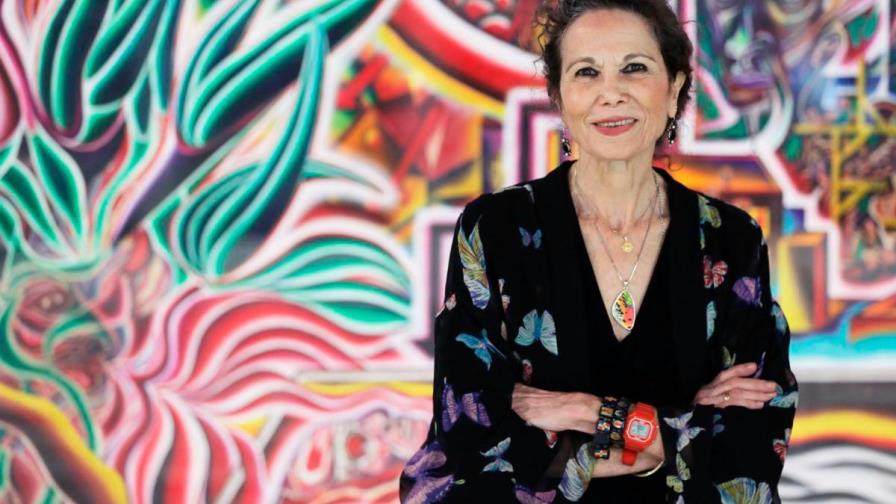
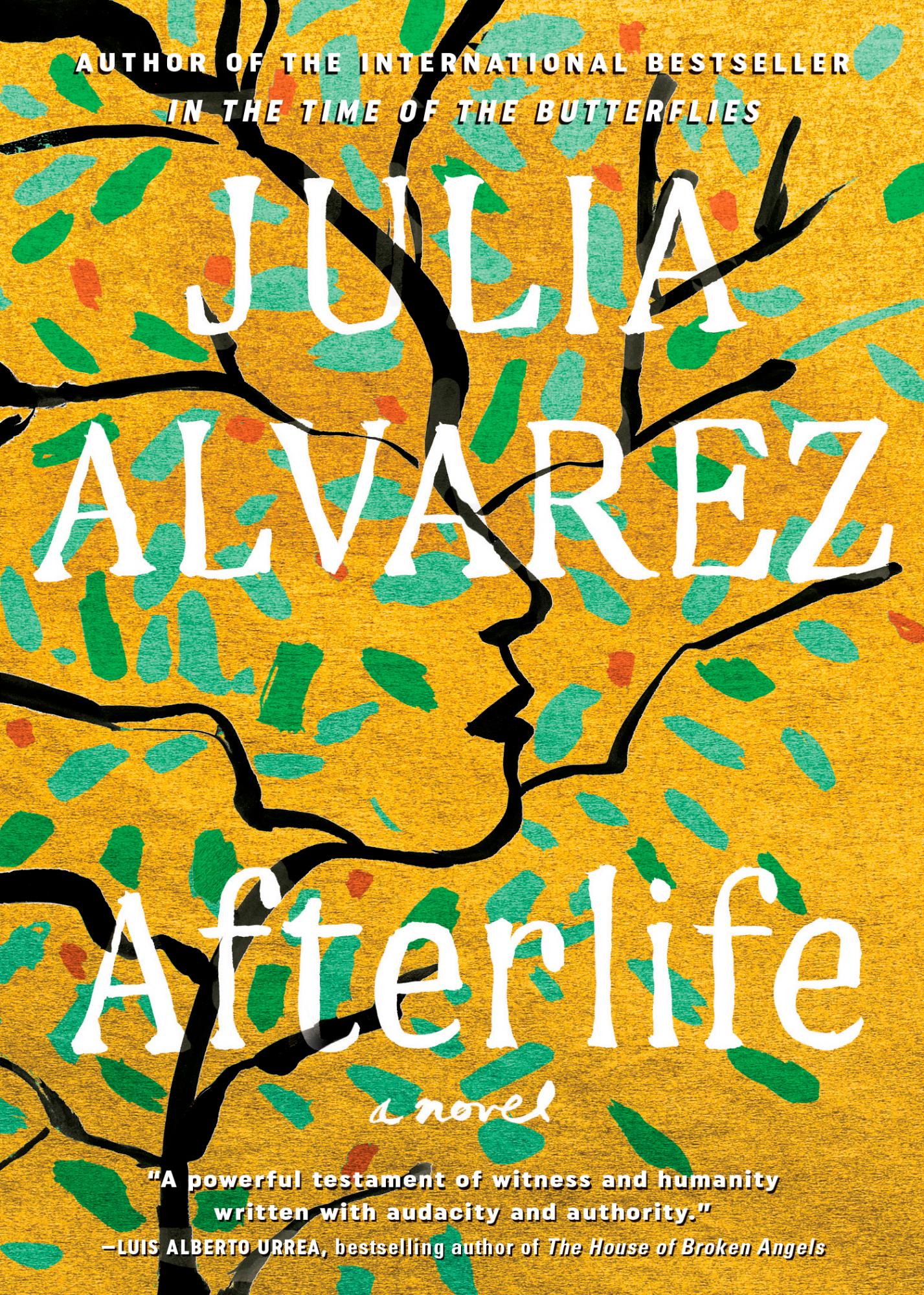
Dominican-American writer Julia Álvarez is launching her new novel Afterlife. Diario Libre interviewed her exclusively to find out what inspired her this time for her most recent book.
–Anything you want to say to the booksellers who were planning to host you on your tour? First off, immense gratitude to all of you! You’re always on the front lines, caring for our books and our readers. Now it’s time to care for you.
To all my readers, consider ordering online from your local indie bookstore thereby supporting an essential and endangered resource and ensuring the vitality of your geographic and reading communities. Send a friend or family member a book or gift certificate!
I know my publisher Algonquin and my agent Stuart Bernstein are setting up a digital book tour so that I can do virtual events at some of the sites that would have been hosting me in person. (I’ll just have to learn to master the technology! Huge learning curve going on here!!!)
–What’s it like to have your new novel coming out in the midst of this international pandemic?
I’ve always said a book isn’t done until it reaches its destination: the hearts and minds of my readers. It’s together that a book is born. So it’s difficult to be delivering my newborn novel without my readers there to mark its arrival: I won’t be able to sign it, to put it in ytheir hands, see their faces, and hear your questions and comments! I’ll be missing that.
However, given the challenging times we are living, it seems a small thing to have to “give up.”
–Can you tell us what the new novel is about?
Afterlife is about coming through the worst that can happen with laughter, resilience, big heartedness and hope.
The novel recounts the story of a woman whose life has suddenly fallen apart. Antonia, recently widowed, retired from teaching, is desperately trying to survive her losses through careful self-management. She is pulled back into the fray by the appearance of an undocumented migrant girl in her garage and by the disappearance of her sister, a wild and big-hearted personality who might be bipolar. In responding to these crises, Antonia seeks direction in the literature she has taught, loved, written, but she finds that sometimes life demands more of her than words.
Though it sounds grim, I promise that there is joy and hilarity and laughter in Afterlife.
In fact, I’ve described it as contemporary Book of Job with a sense of humor— Instead of a male patriarch my Job is Antonia, a Latina woman.
The driving question is how do we live in a broken world without losing faith in each other or ourselves.
I don’t think it’s too much of a spoiler alert to say that laughter and joy and most of all love, abiding love, are crucial in seeing Antonia through, as it will be for all of us.
–What do you hope people will take away from reading the novel? Has that changed at all given the current circumstances?
I want my readers to feel the full impact and force of the losses that surround us all without shutting down, to find within that brokenness the possibility of beauty and redemption, love and hope. In the end it is open-heartedness that points the way forward, an idea whose time has most definitely come.
“There is a crack in everything, that’s how the light gets through,” Leonard Cohen once sang. I’m hoping my novel is one of those cracks the light gets through!
–Can you explain the title of the book?
The title Afterlife doesn’t refer to a religious notion of the afterlife, heaven or hell, but about how every life contains lots of little deaths. We lose people we love, relationships, homes, hometowns; as we grow older we lose some of our certainties. And so on. Lots of little deaths. But if we’re resilient and hopeful and big-hearted, we do come back and there is an afterlife after each life is over. (A favorite poem by George Herbert, “The Flower”: And now in age I bud again/after so many deaths I live and write/I once more taste the dew and rain and relish versing.”)
But the title also alludes to something Antonia, my main character, discovers in the process of grieving her husband and her sister: that when we lose the people we love we don’t have to lose all the wonderful qualities we love about them. That would be a permanent loss, a final death, a diminished world. We can give that person an afterlife by keeping those qualities alive in our own lives.
Every time, say, we live by the better angels of our nature, we give old Abe Lincoln an afterlife. Every time we work towards helping create a more beloved community, MLK resurrects in our lives as individuals and communities.
–Are there books that helped inspire Afterlife?
All my reading loves live on in the DNA of my main character! Truly, many of the poets and writers Antonia lives by and quotes are (no surprise!) favorites of mine! Poets as diverse as Rumi and Wallace Stevens and T.S. Eliot and Issa.
In terms of formal inspiration: I’ve always wanted to write a short, lyrical novel. I’m an admirer of that Japanese sensibility of taking more and more away to charge the few things that remain. That sensibility reflects the themes of the novel--how to live in a diminished world and not succumb to the smaller version of ourselves.
Some short novels that I read and reread and that were an inspiration to me in writing Afterlife include: Flaubert’s A Simple Heart; William Trevor’s Reading Turgenev; Kent Haruf’s Our Souls at Night; Julie Otsuka’s A Buddha in the Attic; Colm Toibin’s Testament of Mary; Jill Ciment’s The Body in Question; Jill Offill’s Dept. of Speculation (just alerted by an interviewer about her new novel, Weather); David Malouf’s Ransom & also An Imaginary Life –to name just a few. (Hey, readers, go order some of these from your local bookstore!)
–Anything you want to say to your fellow citizens, your readers, to people who might be tuning in online to get a message from you during this difficult time?
Reading has always been about being together alone.
My hope is that Afterlife, a novel that deals with how we journey through a time when everything we’ve known and trusted has fallen apart, and still find joy and connection and love and hope, will give solace to my readers and help them feel accompanied. As I said, reading has always been about being together apart.
Afterlife is my little light which together with yours and millions of others can brighten up our dark world and give our human family a sense of solidarity and hope now when we need them most.
Afterlife is also a promise to you, booksellers and readers: there will be an afterlife after this challenging life we are living now is over. Oh yes, there will be an afterlife with books and laughter, stories shared in real time gatherings. We can and will and must celebrate not just the birth of my novel but our collective rebirth.
Meanwhile, I hope I’ll be seeing you between the covers of Afterlife.
 Emilia Pereyra

 Continuar con Google